How Long Does It Take to Charge an Electric Car? (2026 UK Guide)

If you drive or are considering switching to electric cars, one of the first questions you’ll ask is: How long does it take to charge an electric car?
The simple answer is anywhere from around 15 minutes to over 12 hours, depending on how and where you charge. [heatable.co.uk]
Unlike petrol or diesel cars, charging an electric car isn’t one fixed process. Instead, it varies based on the charger you use, the size of your car’s battery, and your real-world driving habits.
This guide explains EV charging times in clear, practical terms—focusing on how UK drivers actually charge day-to-day, from overnight home charging to rapid motorway stops.
How Long Does It Take to Charge an Electric Car?
For most electric cars in the UK, charging times typically fall into these ranges:
- Standard charging (home plug): 8–24 hours
- Standard Plus charging (home wall box or public): 3–6 hours
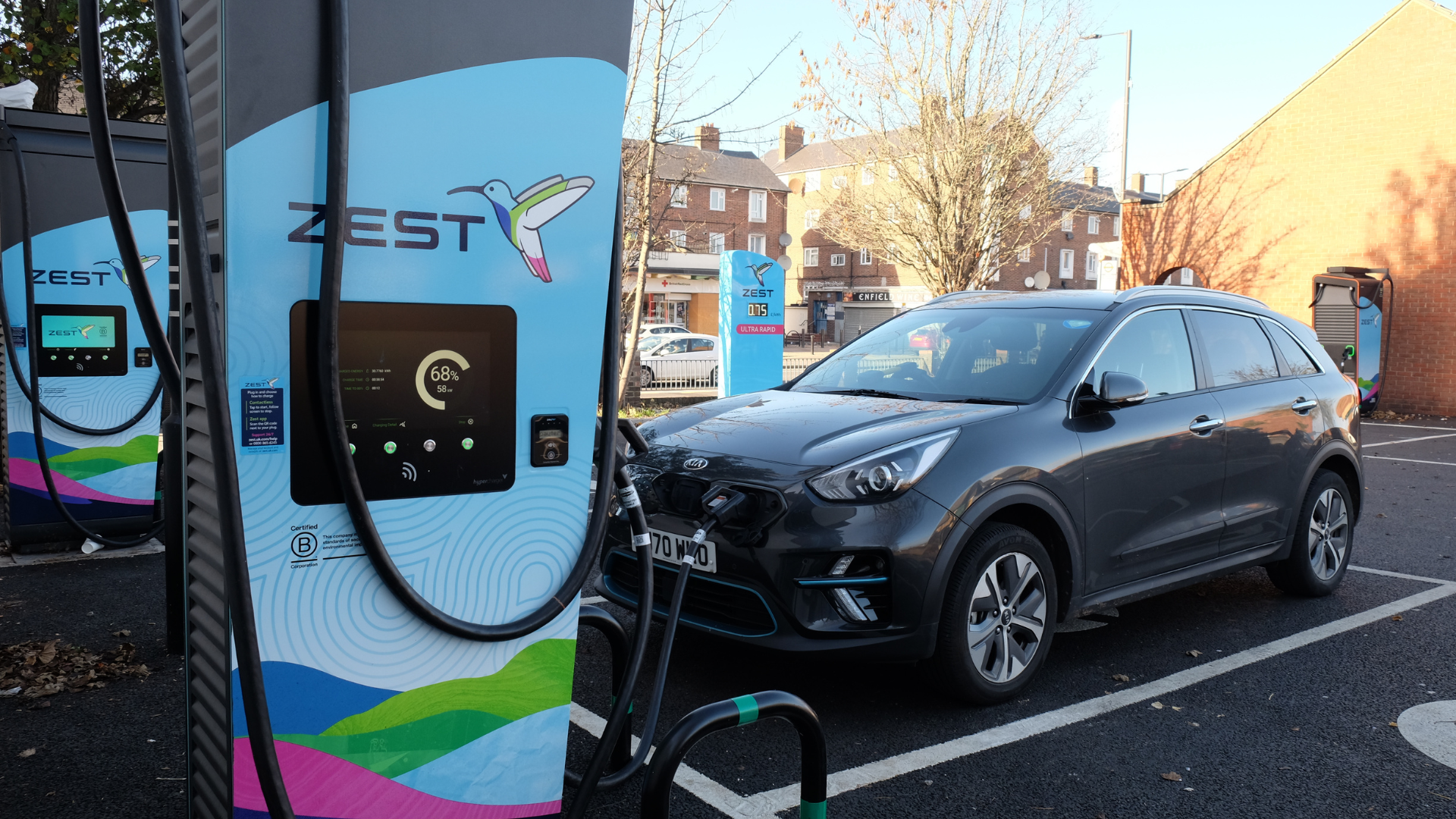
- Rapid charging (motorway): 40–60 minutes (10–80%)
- Ultra-rapid charging: 15–30 minutes (10–80%) [heatable.co.uk]
Two important points to understand:
- Most drivers don’t charge from 0% to 100%
- Charging is fastest between 10% and 80%, which is why times are often quoted for that range
What Determines How Long It Takes to Charge an Electric Car?
Charging time isn’t fixed, it’s influenced by several key factors.
Charger Type and Power (kW)
Charging speed is measured in kilowatts (kW). The higher the number, the faster your car can charge.
Typical UK charger speeds include:
- 3kW (standard)
- 7kW–22kW (standard plus)
- 50kW+ (rapid)
- 150kW–350kW (ultra-rapid) [proev.co.uk]
In simple terms, a higher-powered charger delivers more electricity to your car in less time.
Battery Size (kWh)
An electric car’s battery is measured in kilowatt-hours (kWh). Think of it like a fuel tank:
- Smaller battery = faster to charge
- Larger battery = takes longer
For example, a compact electric car will charge more quickly than a large SUV using the same charger. [wyelectrical.co.uk]
Charging Curve (Why Charging Slows After 80%)
EV batteries don’t charge at a constant speed.
- Fastest charging occurs between 10% and 80%
- After 80%, the speed reduces to protect battery health
This is why rapid chargers are typically used for top-ups rather than full charges.
Vehicle Charging Capability
Not all electric cars can accept the same charging speed.
Even if you plug into a high-powered charger, your car may limit how fast it charges. [rac.co.uk]
External Factors
Charging time can also vary due to:
- Cold UK weather (which slows battery performance)
- Starting battery level
- Charger availability and usage
In real-world conditions, these factors can slightly extend charging times.
Home Charging (Slow and Fast)
Most EV drivers do the majority of their charging at home.
- 3-pin plug (slow): up to 24 hours
- 7kW wallbox (fast): around 6–10 hours [wyelectrical.co.uk]
This works because charging happens overnight. You plug in when you get home and wake up to a fully charged car. Charging at home is less about speed and more about convenience. Drivers typically top up little and often rather than waiting until empty.
Workplace and Destination Charging
Destination charging refers to charging while your car is parked somewhere for a period of time such as:
- Offices
- Retail parks
- Hotels and leisure venues
These chargers are typically 7kW–22kW, meaning charging happens over several hours.
Practical insight:
Drivers are not waiting for the car—they’re charging while doing something else, such as working or shopping. This makes the actual charging time less noticeable.
Public Rapid Charging
Rapid chargers are commonly found at:
- Motorway service stations
- Major roads and travel hubs
Typical performance:
- 10%–80% in 40–60 minutes [heatable.co.uk]
These are essential for longer journeys, allowing drivers to top up during a short break.
Ultra-Rapid Charging
Ultra-rapid chargers are the fastest available:
- 150kW–350kW+
- 10%–80% in 15–30 minutes [heatable.co.uk]
They are most effective for:
- Long-distance travel
- Short, high-speed top-ups
However, actual performance still depends on your car’s capabilities.
Step-by-Step: How to Estimate Your Electric Car Charging Time
You can get a rough idea of charging time using a simple method.
Step 1: Check Your Battery Size
Find your battery capacity (e.g. 60kWh).
Step 2: Identify Charger Speed
For example:
- Home wallbox = 7kW
- Rapid charger = 50kW
Step 3: Estimate Energy Needed
You rarely charge from empty. A common scenario is:
- 20% → 80% = 60% of the battery
Step 4: Use the Basic Formula
Charging time (hours) = energy needed (kWh) ÷ charger power (kW) [rac.co.uk]
Step 5: Adjust for Real Conditions
- Charging slows after 80%
- Weather and battery temperature can affect speed
Example
For a 60kWh electric car:
- Charging 20% → 80% = 36kWh needed
- Using a 7kW home charger:
36 ÷ 7 ≈ 5 hours
In practice, this may be slightly longer due to charging behaviour and efficiency.
Real-World Charging Scenarios for UK Drivers
Understanding how charging fits into everyday life is more useful than focusing on theoretical speeds.
Daily Commuting (Home Charging)
- Charge overnight
- Wake up with a full or near-full battery
- Rarely need public chargers
This is the most common pattern for UK EV drivers.
Shopping or Leisure Stop (Destination Charging)
- Plug in at a supermarket or retail park
- Add useful range while parked
Drivers don’t “wait”—charging happens passively during normal activities.
Long-Distance Travel (Rapid Charging)
- Stop at a motorway service station
- Charge for 20–40 minutes
- Continue journey
Rather than filling from empty, drivers typically top up during planned breaks.
Common Misconceptions About Charging Electric Cars
“Charging takes too long”
In isolation, this can be true—but in real-world use, most charging happens when the car is already parked.
“You always need to charge to 100%”
In practice:
- Most drivers charge to 80%
- This is faster and better for battery health
FAQs About Charging Electric Cars
How long does it take to charge an electric car at home?
Using a typical UK home wall box (7kW), most electric cars take around 6–10 hours to charge fully. Slower charging via a 3-pin plug can take significantly longer. [wyelectrical.co.uk]
Can you fully charge an electric car in 30 minutes?
Ultra-rapid chargers can charge many electric cars to around 80% in 15–30 minutes, but a full 100% charge usually takes longer due to reduced charging speeds at higher battery levels. [heatable.co.uk]
Is it cheaper to charge at home or in public?
Charging at home is typically cheaper, especially with off-peak electricity tariffs. Public rapid charging offers speed and convenience but at a higher cost per kWh.
Do electric cars charge faster to 80%?
Yes. Charging is fastest between 10% and 80%, after which it slows down to protect the battery.
How often do you need to charge an electric car?
This depends on mileage, but many drivers charge every few days or little and often, rather than waiting until the battery is low.
Conclusion: What EV Drivers Should Expect from Charging
Charging an electric car doesn’t follow the same pattern as refuelling a petrol car—and that’s the key to understanding it.
- At home, you charge overnight with no disruption
- At destinations, you charge while parked
- On longer journeys, you top up quickly using rapid chargers
Rather than asking how long it takes to charge in isolation, it’s more useful to think about when and where charging happens.
For most UK drivers, charging becomes part of a routine—quietly happening in the background—supported by a growing network of well-placed infrastructure.
Practical takeaway:
- Use home or on – street charging for everyday convenience
- Rely on public charging for flexibility
- Focus on topping up, not fully charging every time
Once you adapt to this approach, EV charging feels less like waiting—and more like simply staying topped up and ready to go.
.png)