Is it worth buying an electric car in 2026? The complete UK guide


Is it worth buying an electric car in 2026?
For many UK drivers, buying an electric car in 2026 is worth it if charging is convenient, predictable and affordable. EVs can cost less per mile to fuel, need less routine servicing and are increasingly supported by public charging infrastructure. The biggest benefits usually come when most charging happens at home, at work or while parked somewhere useful, such as a supermarket, hotel, gym, office or town-centre car park.
Public charging is improving quickly, but costs and reliability vary by location and charger type. Rapid and ultra-rapid chargers are useful for long journeys, but they are usually more expensive than home charging. If you expect to use them for most of your energy, the savings over petrol or diesel may be smaller.
A simple rule helps: an electric car is most worth while when charging fits naturally into your routine, rather than becoming a separate job you have to plan around.
The biggest factor is how and where you charge
For most drivers, the question of whether an EV is worth buying comes down to charging. Purchase price, range and running costs all matter, but the biggest difference is often where the car will be charged day to day. The easier it is to plug in at home, at work or while parked somewhere useful, the more affordable and convenient EV ownership becomes.
Home charging usually makes EV ownership cheaper
Home charging is normally the simplest and cheapest way to run an EV. If you have a driveway or allocated parking, a dedicated home charger lets you plug in overnight and start most days with enough range. Drivers on suitable off-peak electricity tariffs can reduce charging costs further by scheduling charging when power is cheaper.
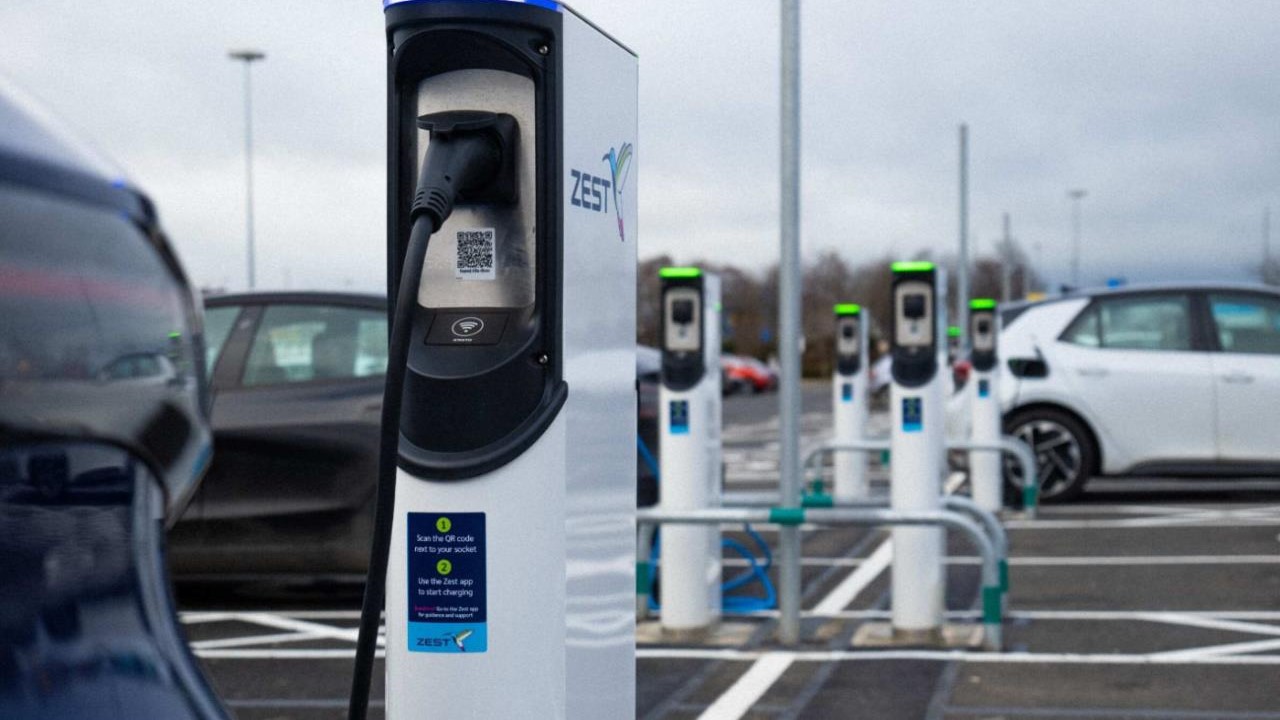
If you do not have off-street parking, home charging may not be possible. That does not rule out an EV, but it makes local charging more important. On-street residential chargers, workplace chargers and destination chargers can all make electric driving practical if they are reliable and located where you already spend time.
Public charging is improving, but costs vary
The UK public charging network is larger and more varied than it used to be. Official Department for Transport figures showed 119,080 public EV chargers in the UK as of 1 April 2026, including 27,372 rated rapid or above. Zapmap reported that the network reached 121,171 public EV chargers across 46,731 locations by the end of June 2026.
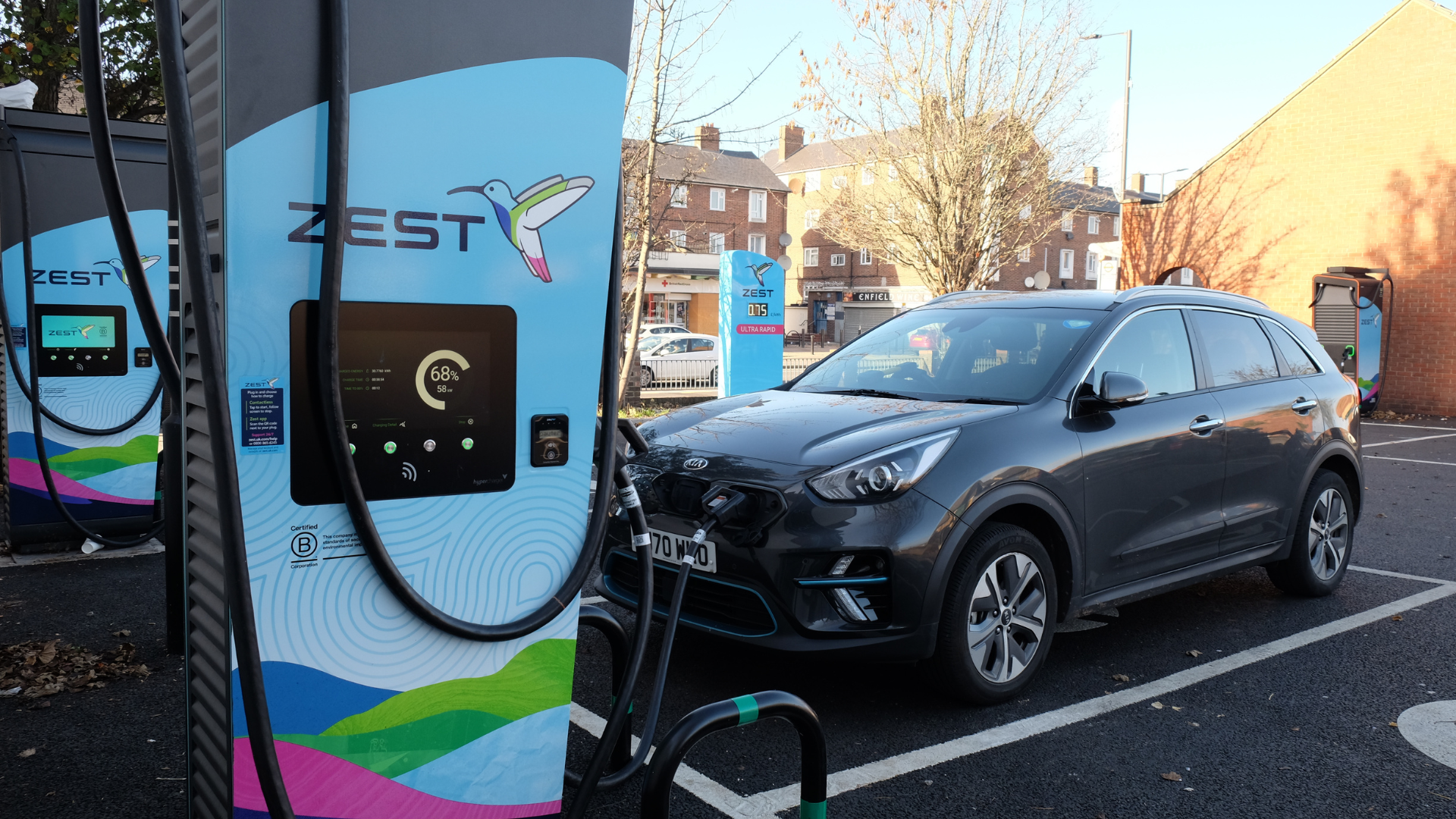
Those numbers matter, but the type of charger matters just as much. Slow and fast chargers are best where cars are parked for longer periods: residential streets, workplaces, hotels, gyms, supermarkets, retail parks and town centres. Rapid and ultra-rapid chargers are best for long journeys and quick top-ups, particularly on motorways and strategic road routes.
This is where charging behaviour becomes important. Good EV infrastructure is not only about installing more chargers. It is about placing the right speed of charger in the right location. For many drivers, the most useful charge is not always the fastest one; it is the one available while they are already parked.
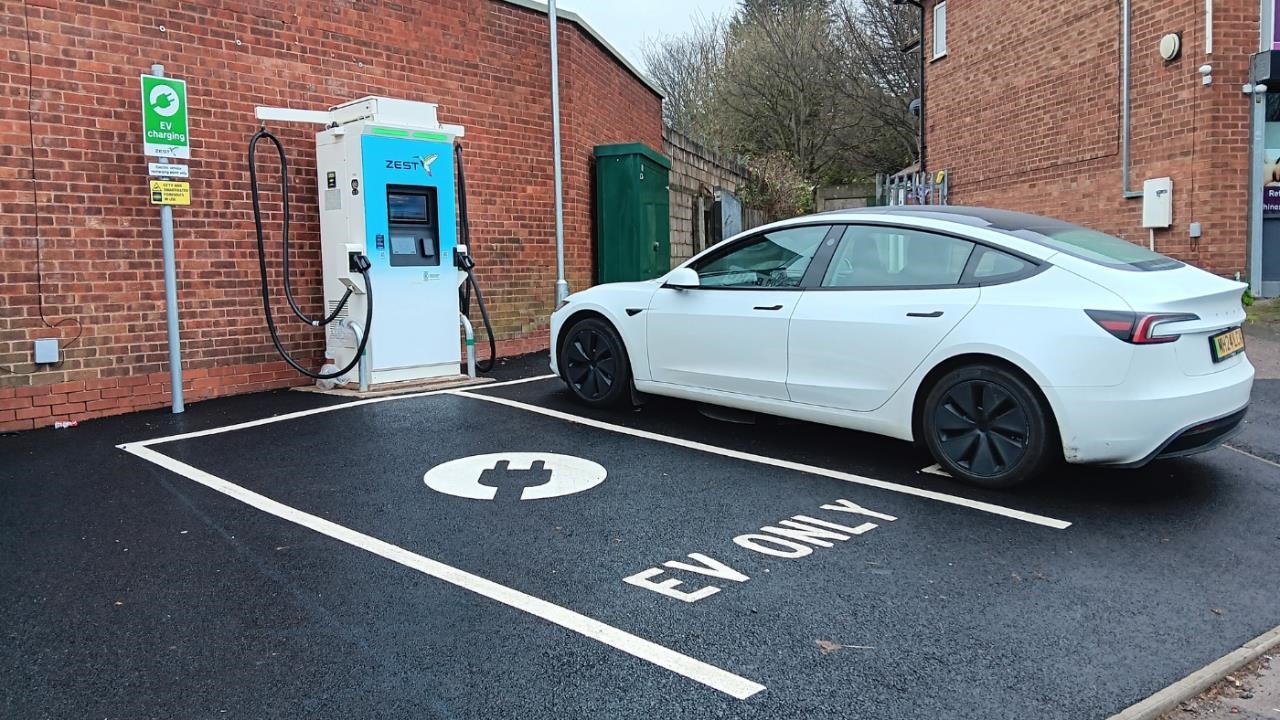
If you do not have off-street parking, home charging may not be possible. That does not rule out an EV, but it makes local charging more important. On-street residential chargers, workplace chargers and destination chargers can all make electric driving practical if they are reliable and located where you already spend time. Zapmap reported that the UK had 39,859 on-street residential EV chargers by the end of June 2026, with this category seeing the highest year-on-year growth, showing how quickly local charging options are expanding for drivers without driveways.
What does an electric car really cost to run?
EV running costs depend on the car, the driver and the charging mix. The basic calculation is simple: an electric car uses electricity measured in kWh, while petrol and diesel cars use fuel measured in litres. To estimate your EV cost per mile, look at the car’s efficiency and the price you pay per kWh.
Servicing can also be cheaper. EVs have fewer moving parts than petrol or diesel cars, no engine oil changes and regenerative braking can reduce brake wear. However, this does not mean they are cost-free. Tyres can wear faster on some heavier EVs, insurance can be higher for certain models, and repair costs vary.
Tax has also changed. From 1 April 2025, electric, zero and low emission vehicles became liable for Vehicle Excise Duty. For 2026/27, GOV.UK states that new electric cars registered on or after 1 April 2025 pay £10 in the first year and then the standard rate of £200. Electric cars registered between 1 April 2017 and 31 March 2025 pay the standard rate of £200, while older eligible models registered between 1 March 2001 and 31 March 2017 pay £20. Buyers of higher-priced EVs should also check whether the expensive car supplement applies.
New or used EV: which is better value in 2026?
A new EV gives you the latest battery technology, warranty, safety systems and charging capability. It may also offer better efficiency and longer real-world range than older models. For company car drivers, a new electric vehicle can still be attractive because Benefit-in-Kind rates remain favourable compared with petrol or diesel cars.
A used EV can be better value for private buyers. The second-hand market has grown as more lease, salary sacrifice and fleet vehicles reach resale. That means buyers can often find practical electric cars for less than the price of a new model, while still getting useful range and remaining battery warranty.
When buying used, check the battery warranty, service history, charging speed, real-world range, tyres and whether the charging connector suits your usual charging locations. Do not focus only on the largest battery. A smaller, more efficient EV that matches your routine may be better value than a larger model carrying battery capacity you rarely use.
How much range do you actually need?
Many drivers overestimate the range they need. The useful question is not “what is the maximum range?” but “does this car comfortably cover my normal week?” Most daily journeys are far shorter than the advertised range of modern electric cars. The challenge is choosing enough range for your longest regular journeys without paying for more battery than you need.
Manufacturer range figures are tested under controlled conditions. Real-world range can be lower, especially in winter, at motorway speeds, with heavy loads or when using heating. It is sensible to build in a margin, particularly if you often drive on motorways or live in a rural area with fewer chargers.
For many households, a car with a moderate real-world range and reliable charging is more useful than a long-range EV with expensive finance. Range matters, but charging access matters more.
Step-by-step: how to decide if an EV is right for you
- Work out your weekly mileage. Look at your commute, school runs, shopping, leisure trips and regular long journeys.
- Map your charging options. Check whether you can charge at home, at work, on-street, at destinations you already use, or on reliable routes.
- Estimate your charging mix. Be honest about how much charging would happen at home, at slower or rapid public chargers.
- Compare total cost. Include finance or purchase price, electricity, insurance, tax, servicing, tyres and likely depreciation.
- Choose realistic range. Pick a car that covers your normal driving with a sensible margin for winter and motorway journeys.
- Check public chargers before buying. Look at the chargers near your home, workplace and regular destinations but keep in mind, the network is still expanding and more charging will be available in the years to come. Check speed, price, payment methods and user reviews.
- Test the routine. Imagine a normal week. If charging fits naturally into that week, an EV is more likely to work well.
Who is an electric car most worth it for?
An electric car is often most worthwhile for drivers with predictable routines and regular access to affordable charging. Commuters with home charging can build fuel savings quickly, especially if they use an off-peak tariff. Company car drivers may also find EVs attractive because tax treatment remains favourable compared with higher-emission vehicles.
Urban and suburban drivers are often well suited to EVs because shorter journeys, stop-start traffic and local charging options fit electric driving well. Families with routine journeys can also benefit, particularly where school runs, shopping and weekend travel can be supported by home or destination charging.
Drivers without driveways can consider local infrastructure. On-street charging is expanding, and Zapmap reported 39,859 on-street residential EV chargers by the end of June 2026, with this category seeing the highest year-on-year growth. Even so, the local picture matters more than the national total. One reliable charger near home may be more useful than a large number of chargers somewhere you rarely go.
High-mileage motorway drivers can also run EVs successfully, but they need to be more selective. Battery size, charging speed, route planning and rapid charging costs become more important. The right car and charging plan can work well; the wrong combination can become frustrating.
Common concerns about buying an electric car
Will the battery last?
Modern EV batteries are designed for long service lives and are usually covered by lengthy warranties. Battery degradation is normally gradual rather than sudden. It depends on mileage, charging habits, temperature and how the car has been used. If buying used, check the remaining battery warranty and whether the car has any battery health information available.
Is public charging reliable enough?
Public charging is improving. Before buying an EV, check the chargers you would actually use. Look at local car parks, workplaces, supermarkets, leisure destinations and routes you travel often. Pay attention to availability, payment options, speed and whether the site has more than one charger.
For charging operators and site owners, the lesson is clear: drivers need chargers in places that support real routines. Destination and community charging can reduce friction because the car charges while the driver is doing something else.
FAQs
Is it worth buying an electric car if I cannot charge at home?
It can be, if you have reliable alternatives. Workplace charging, on-street residential charging and destination charging can all work well.
Are electric cars cheaper than petrol cars?
They can be cheaper to run, especially if you charge at home or at low-cost locations. However, the total cost depends on purchase price, finance, insurance, tax, charging costs, servicing and depreciation.
How long does it take to charge an EV?
It depends on the car, battery size and charger speed. Home charging often happens overnight. 'Standard plus' destination charging may take a few hours while the car is parked. Rapid and ultra-rapid charging can add useful range during shorter stops, but it is usually more expensive.
Do electric cars pay road tax in the UK?
Yes. From 1 April 2025, electric, zero and low emission vehicles became liable for Vehicle Excise Duty. The rate depends on when the vehicle was registered and, for some newer higher-priced cars, whether the expensive car supplement applies.
Is a used electric car a good idea?
A used EV can be good value if the range suits your needs and the battery warranty, charging speed and service history check out. It is also important to compare insurance and charging costs before committing.
Conclusion: the practical takeaway
So, is it worth buying an electric car in 2026? For many UK drivers, yes. The best case is where charging is convenient, affordable and part of everyday life. Home charging gives the strongest financial advantage, but workplace, on-street and destination charging can also make EV ownership practical.
The key is to make the decision around your real driving rather than a general opinion about EVs. Check your mileage, your charging options, your likely costs and the type of journeys you actually make. An electric car does not need to be perfect for every possible journey to be the right choice. It needs to be practical, affordable and easy to charge for the journeys you do most often.
.png)