What should local authorities consider when it comes to a secure EV charging network?

Zest’s Chief Technology Officer, John Heap, shares his advice on how to help local authorities ensure they implement a secure charging network with their provider, outlining the importance of multiple measures they should consider when choosing a charge point operator, including cyber-security and beyond. John’s insight makes it clear that the physical security of charge points should not fall short, stressing the importance of a provider’s long-term plan and processes in assuring the network remains secure.
Official guidance
John explains the importance of looking at the official guidance when implementing EV charging infrastructure, “When choosing an EV charging network, security should be high on everybody’s checklist. Local authorities must ensure that the network is secure, reliable and resilient as detailed in the Local Electric Vehicle Infrastructure (LEVI) Fund: Guidance for Local Authorities and Public Charge Point Regulations 2023."
Certifications & compliance
According to John, “As a minimum you should check vendor cyber security certifications, look for ISO27001 and Cyber Essentials Plus. This ensures that the supplier is covering the basics such as updating charge point firmware with the latest security patches, and is using a secure communication protocol, such as OCPP 1.6/2.x over TLS). Additionally, public charging involves processing and storing personal data and taking payments, meaning that you should ensure that all data handling is GDPR-compliant, and payment systems are PCI-DSS compliant.” PCI-DSS compliance ensures that businesses handling payment card data maintain a secure environment to protect cardholder information and prevent data breaches.
Network capabilities
John highlighted how “Security is not just about preventing attacks; it’s also about ensuring the network stays operational.” Going on to advise: “Check the network provides adequate levels of reliability and resilience, look for uptime SLAs, redundancy in the back-office systems, and effective monitoring and alerting capabilities.”
Physical security of charge points
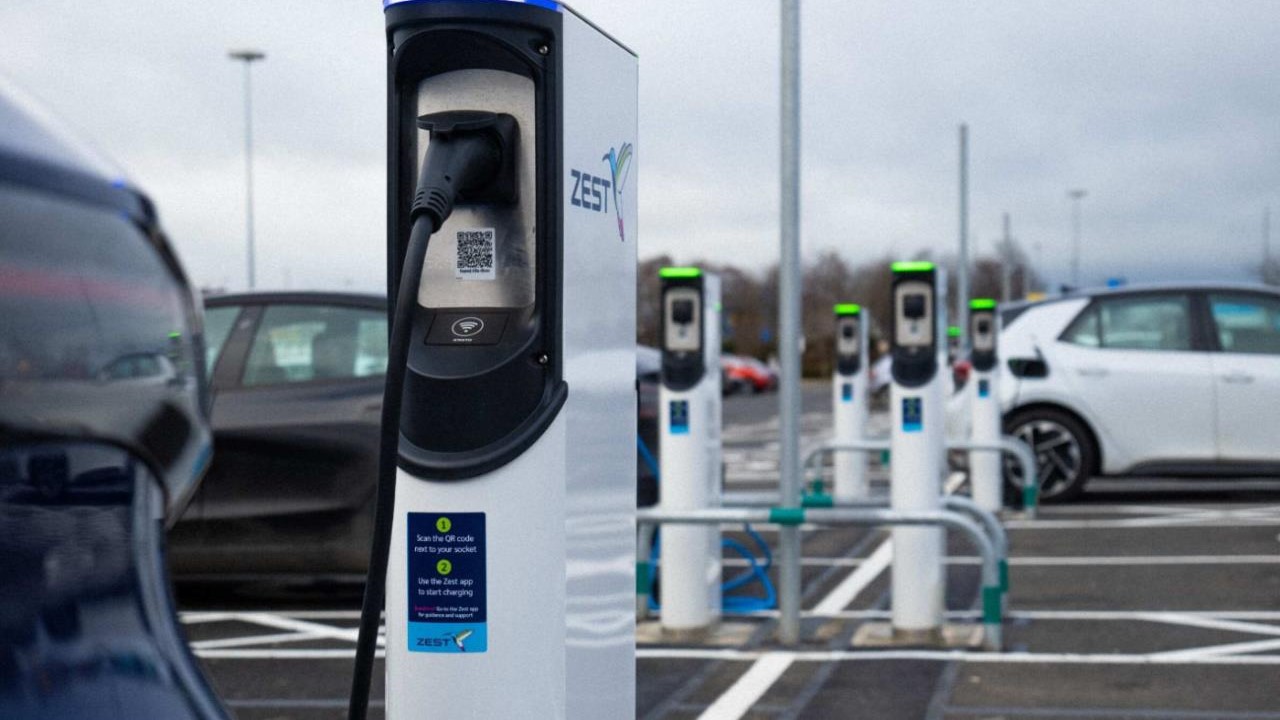
Apart from cyber certifications and the network capabilities, John explains that “The physical security of charge points should not be overlooked as they are exposed in public spaces. Check for anti-tamper enclosures, secure mounting and cabling, protection against vandalism and secure access for maintenance staff.”
Long-term security
Beyond every-day measures, John emphasises the importance of long-term processes to ensure security is upheld, “Finally, EV networks must remain secure over years, not just at the point of installation. Check the vendor has a long-term operational security plan that includes regular security audits, a long-term patching commitment, and an incident response process.”
John’s advice highlights how security is a multi-dimensional issue for local authorities. By following official guidance and checking security certifications, local authorities can establish a strong foundation for secure EV charging infrastructure. It is equally important to assess network reliability, make sure charge points are physically protected, and choose a provider with a thorough long-term security strategy. Taking these steps helps reduce risk while maintaining a dependable charging experience and network.
.png)