Rural Micro-Hubs: A Blueprint for Towns and Tourist Hotspots
%20(3).jpg)

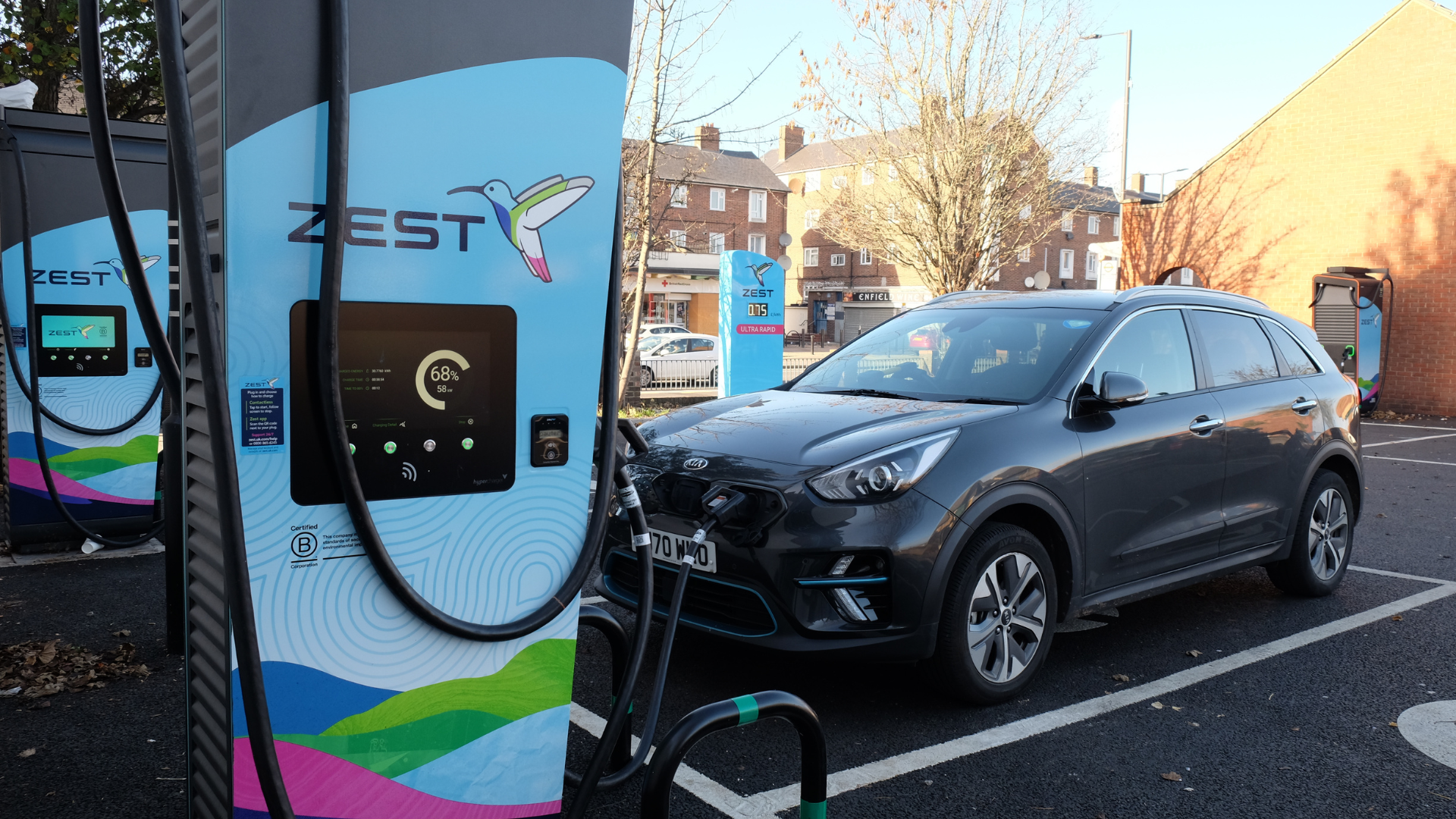
Britain's countryside is facing a quiet infrastructure revolution. As electric vehicle adoption accelerates and rural tourism rebounds, a new concept is gaining traction: the micro-hub. These compact, multi-purpose facilities are solving a problem that has frustrated councils, businesses, and visitors alike—how to deliver modern services in areas where traditional infrastructure models simply don't stack up financially?
The answer lies in thinking smaller, smarter, and more flexibly than ever before.
Why rural areas need a different approach
Here's the uncomfortable truth about rolling out rural EV charging yourself: the economics aren’t so attractive. Installation costs are higher due to grid constraints, usage is lower due to sparse populations, and seasonal fluctuations can leave chargers idle for months before being overwhelmed during peak tourism periods.
Yet the demand is undeniable. Department for Transport data show that rural charging devices grew by 45% year-on-year in 2024, outpacing the 35% growth in urban areas. The Lake District alone welcomes over 18 million visitors annually, with projections suggesting 22 million by 2040. The Peak District sits within an hour's travel of 20 million people. These visitors increasingly arrive in electric vehicles—and they expect to charge them.
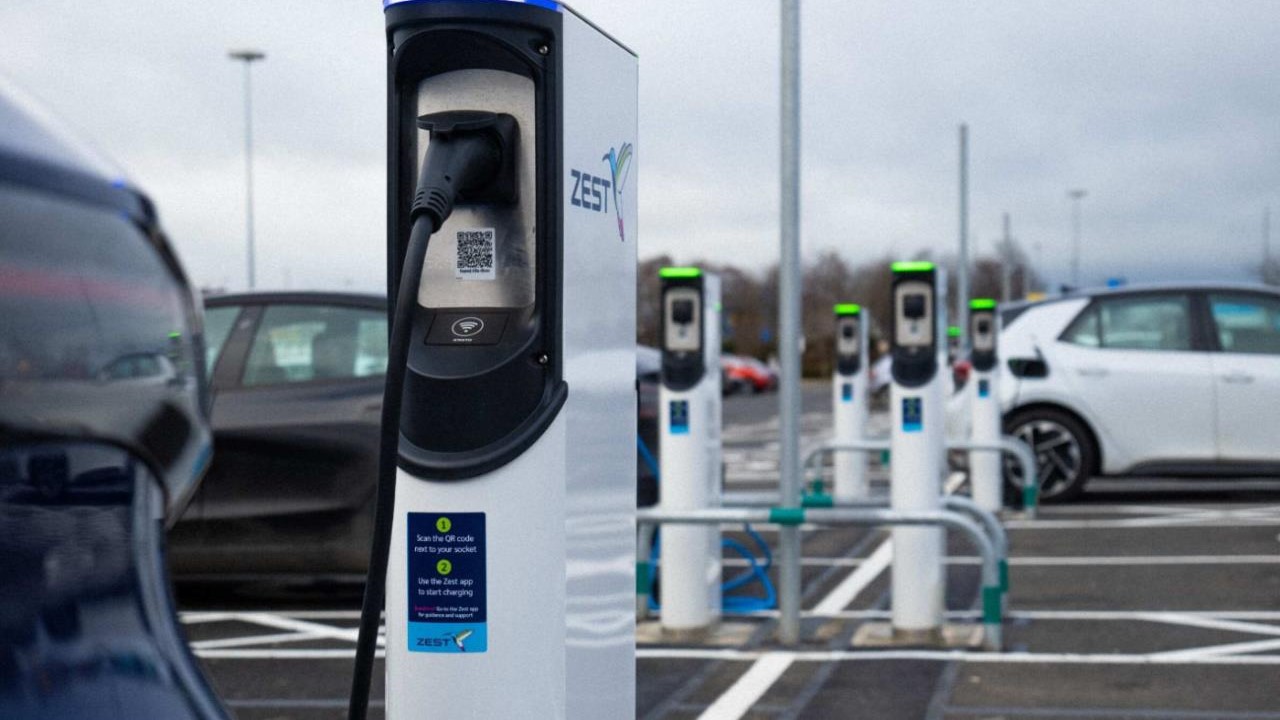
The rapid micro-hub model offers a solution by consolidating multiple services into single locations, creating destinations rather than isolated charging points, which can be particuarly attractive to local authorities and councils exploring EV infrastructure.
The micro-hub toolkit: what actually works
Successful rural charging hubs share several characteristics that distinguish them from failed installations. Understanding these elements is essential before committing capital.
Understanding tourist seasonality
Rural charging demand follows predictable but dramatic curves. A charger in Ambleside might see ten times the usage in August compared with February. This seasonality affects everything from revenue projections to maintenance scheduling.
.jpg)
Smart operators use quiet periods for upgrades and cultivate local user bases who provide baseline revenue year-round. Some have introduced subscription models and discounted rates to residents—building loyalty while smoothing cash flow.
Funding routes worth exploring
Capital remains the primary barrier, but the funding landscape has improved significantly. Several programmes specifically support rural charging infrastructure:
The Rural England Prosperity Fund provides grants for capital projects in rural areas, including EV charging points and net-zero infrastructure.
Local Enterprise Partnerships (LEPs) and their successor bodies offer matched funding for projects demonstrating economic development potential. It can be beneficial to frame charging infrastructure as enabling tourism spend rather than as a standalone transport provision.
The Community Ownership Fund has made available £150 million for community asset acquisition. Where charging forms part of a broader hub—combining workspace, visitor facilities, or retail—this route becomes viable.
Scotland's Rural Tourism Infrastructure Fund has invested £20 million across 75 projects, with individual grants of up to £500,000. Projects like the Doune Tourism Development Transport Hub demonstrate what's achievable: 42 parking spaces, 4 EV charging points, motorhome facilities, and wayfinding infrastructure in a single integrated scheme.
Finally, working with a charge point operator that offers a fully funded model removes the financial barrier many organisations face when it comes to rolling out infrastructure.
Wayfinding and local business integration
Where isolated chargers meet obstacles, integrated hubs succeed. The difference often comes down to wayfinding and local partnerships.
Effective wayfinding includes:
- Brown tourism signs directing drivers to charging facilities
- Integration with mapping apps showing real-time availability
- Clear pedestrian routes connecting chargers to local attractions
- Information boards promoting nearby businesses, walks, and amenities
Local business tie-ins transform charging stops into economic opportunities. Consider these partnership models that are working across rural Britain:
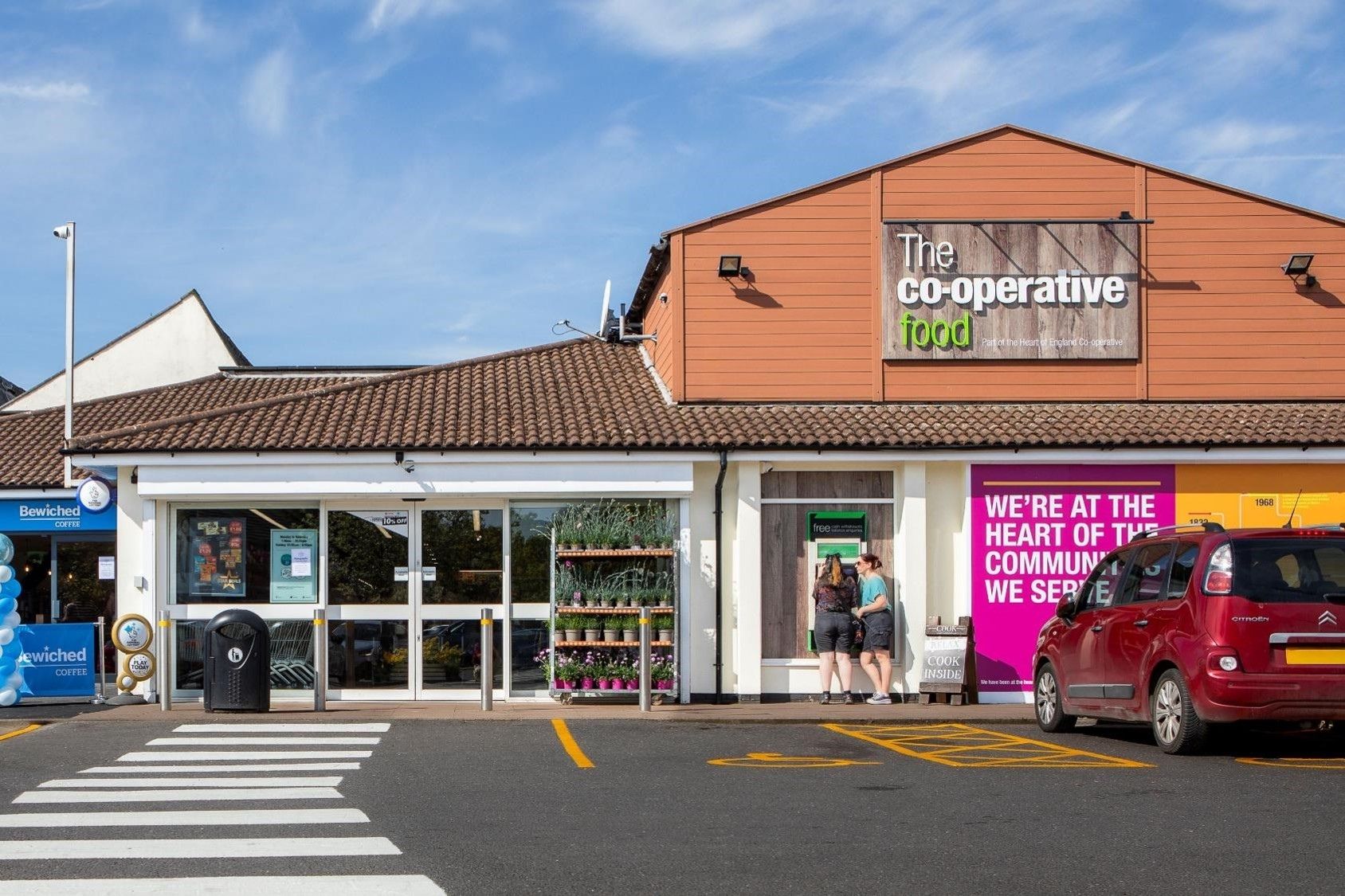
- Cafés and pubs offering discounts to charging customers (a 45-minute rapid charge is perfect for coffee and cake)
- Visitor attractions providing free parking validation for charger users
- Local retailers sponsoring charging bays in exchange for prominent signage
- Accommodation providers promoting hub locations in pre-arrival communications
The principle is straightforward: make the wait productive, and visitors stop seeing charging as an inconvenience. Some hubs are experimenting with "dwell time packages"—combined charging and activity bundles priced to encourage longer stays and greater local spend.
Making the business case
Rural charging projects live or die on their business cases and funders and planning committees need to see realistic projections.
A credible proposal addresses:
- Grid connection costs and timelines (these frequently derail projects; get written quotes early)
- Seasonal revenue modelling using conservative utilisation assumptions
- Operational costs, including maintenance contracts, payment processing fees, and customer support
- Complementary revenue streams from parking, retail, or workspace elements
- Exit strategy if utilisation doesn't materialise
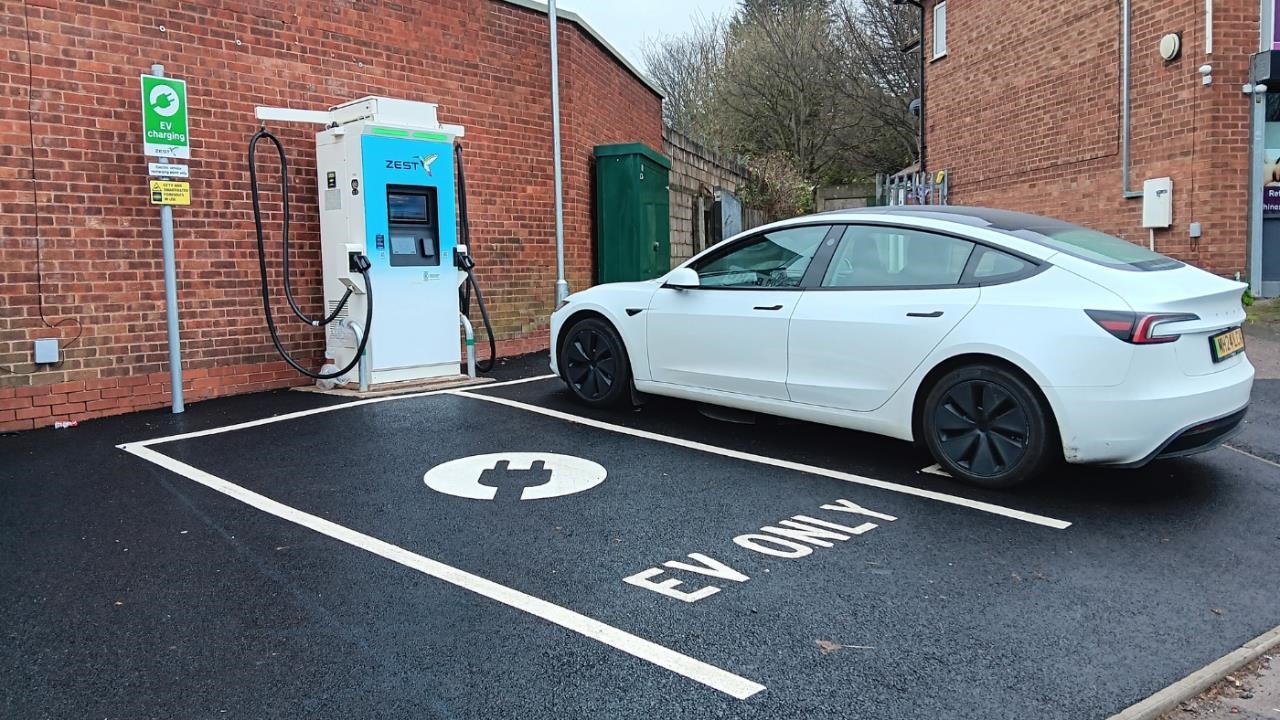
Many successful projects combine public funding for capital costs with commercial operating partnerships. This shares risk appropriately—communities provide land and access to grants, while experienced operators handle the technical and commercial complexity.
The opportunity ahead
Rural Britain stands at an inflexion point. The infrastructure decisions made in the next three to five years will shape which communities thrive and which get left behind as transport electrifies.
Micro-hubs offer a realistic path forward—one that acknowledges rural economics while delivering genuinely helpful facilities. They work because they're designed around how people actually behave: combining journeys, seeking amenities, and spending time (and money) in attractive locations.
The toolkit exists. The funding routes are open. The demand is growing. What's needed now is ambition matched with realistic planning—and communities willing to take the first step.
.png)